The Adventure Continues … Qaqortoq, Greenland
Our cruise ship anchored offshore in the fjord. By 7:30 am we were aboard a sleek boat with nine other passengers, speeding out of the harbor as fast as the vessel would fly, chasing the promise of icebergs in the early morning light. The air was crisp and the water calm.
Our enthusiasm dipped when the guide announced there was only one iceberg to see that morning. Only one?
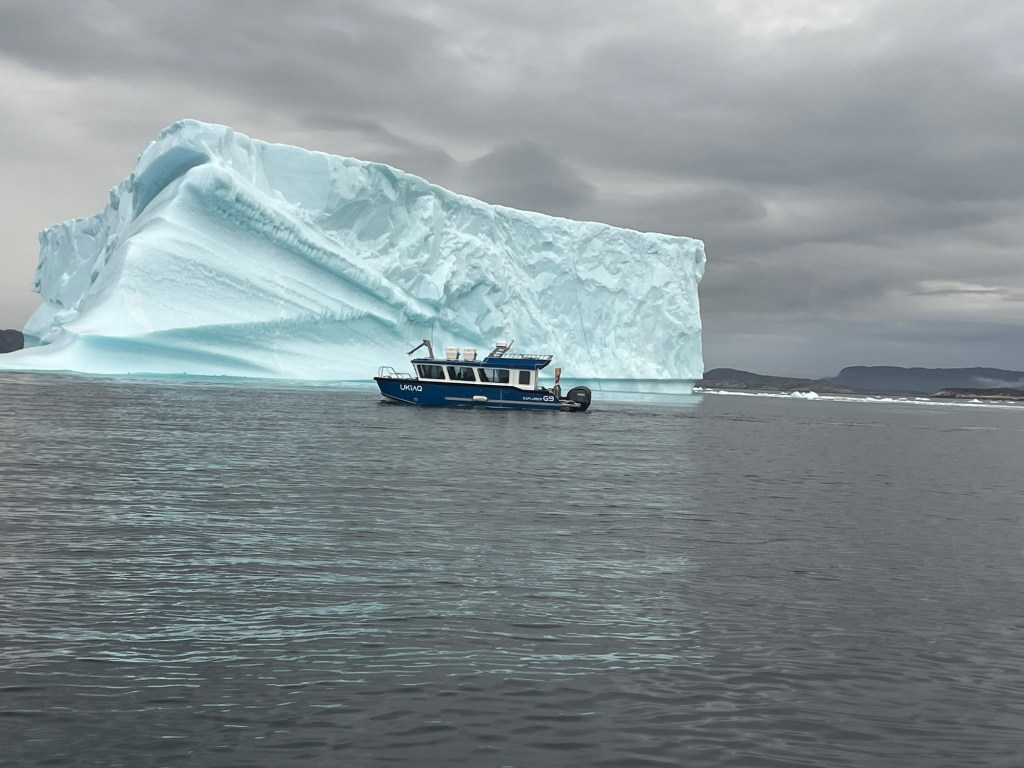
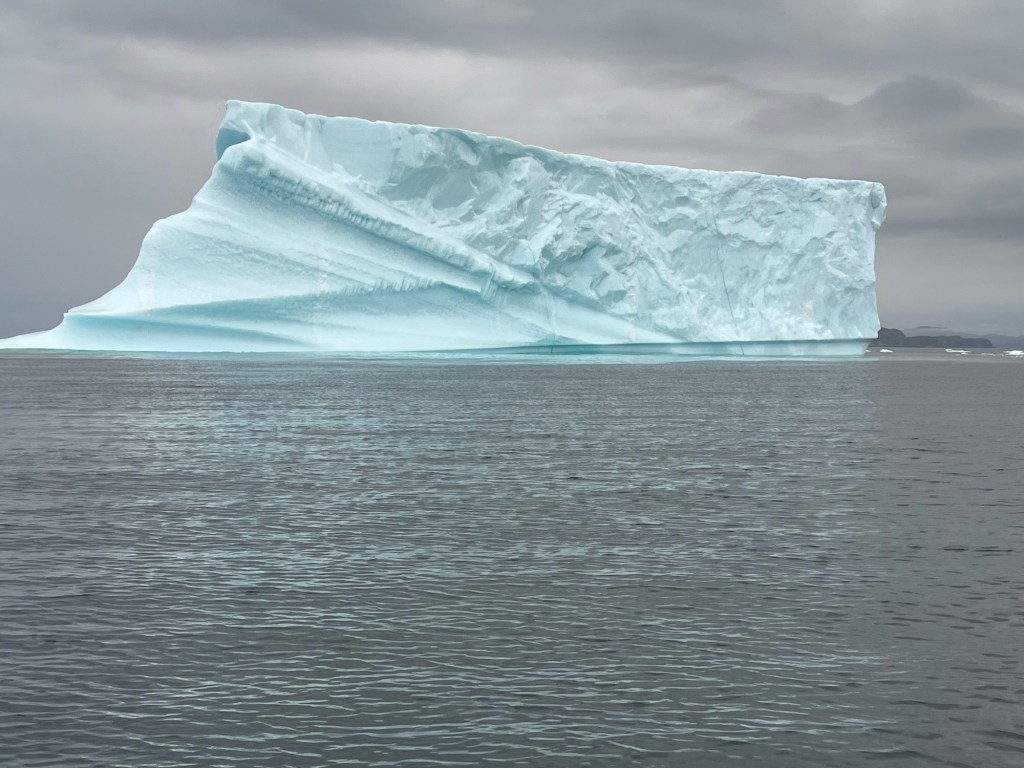
Our disappointment melted away the moment we got close — this thing was massive, a sculpted mountain of blue-white ice rising out of the sea. We spent a full hour circling the beast, exploring every crack and crevice, marveling at how something so ancient and enormous could just be floating. I asked our captain, half-joking, if he had much else going on that day. He smiled — eight more iceberg trips were on his schedule before sundown.
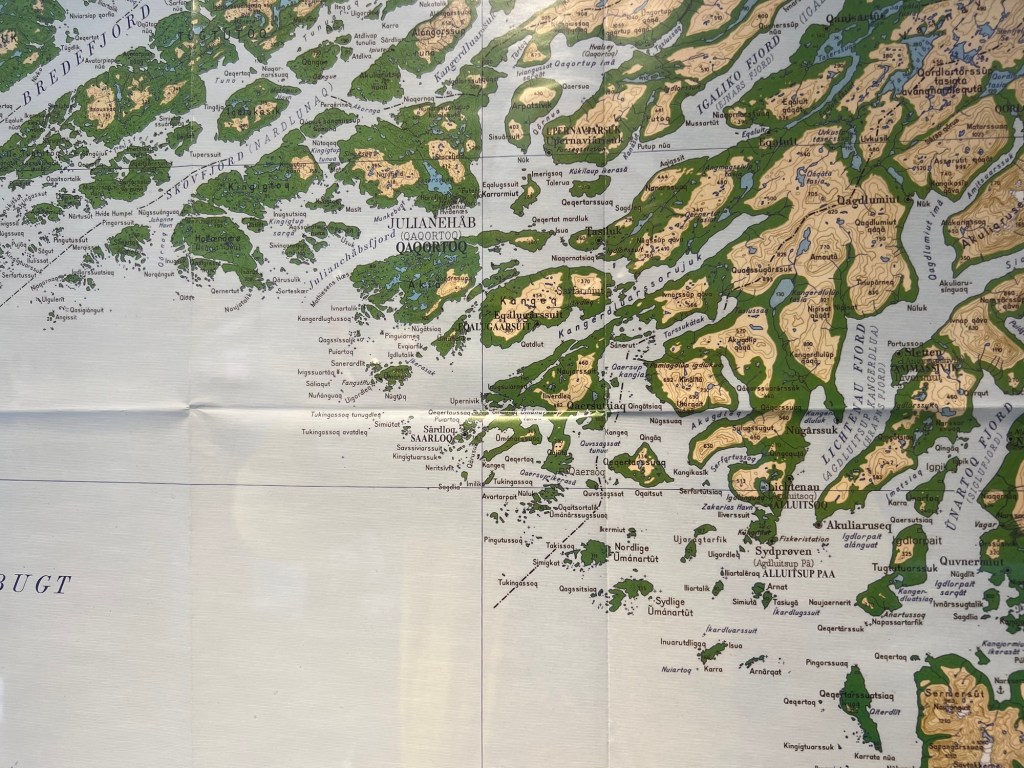
Back in town, we joined a walking tour through Qaqortoq, a settlement originally established as a Danish trading post The town sits within the protected fjords of Greenland’s southern coast, its colorful houses climbing up rocky hillsides.
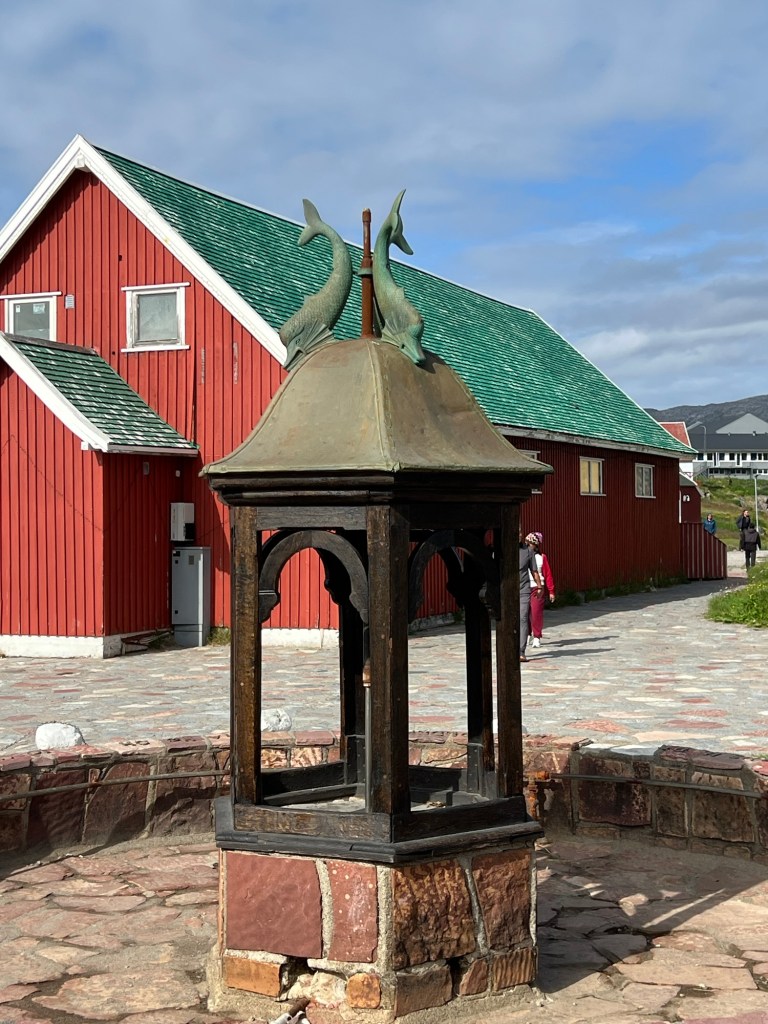
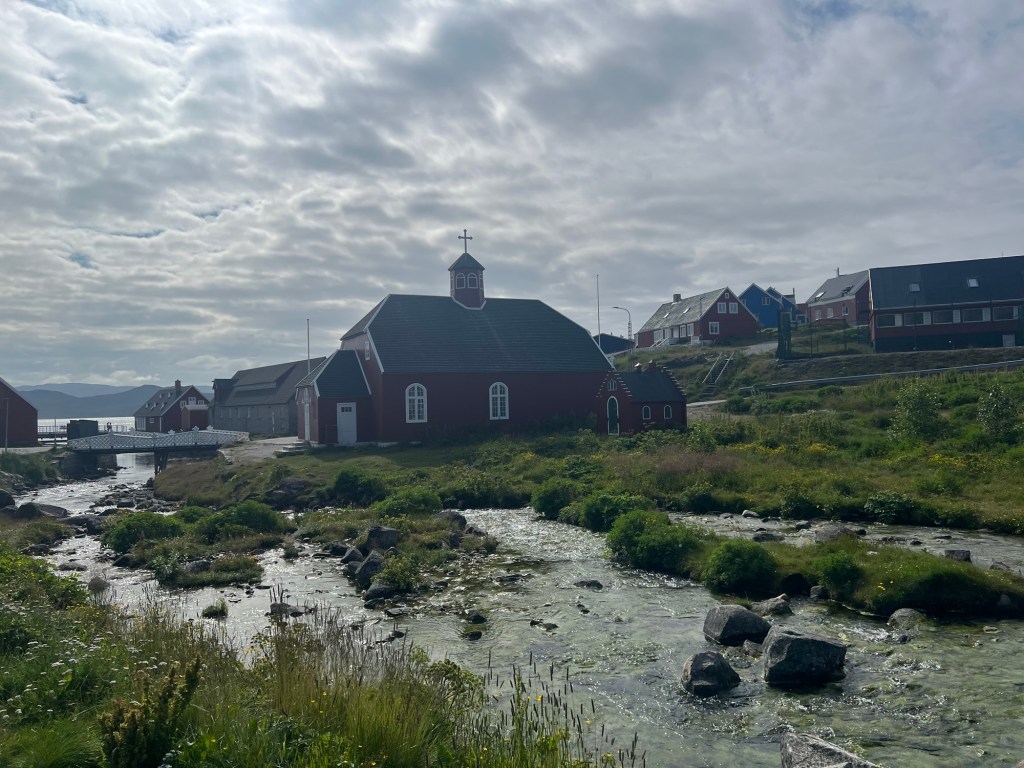
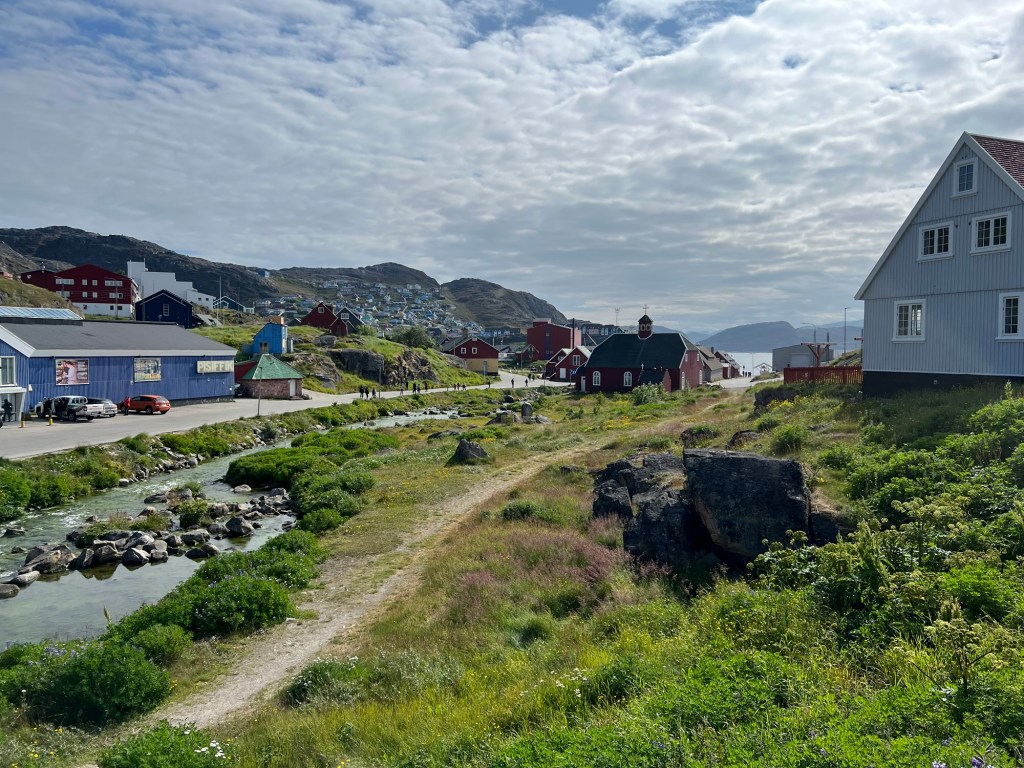
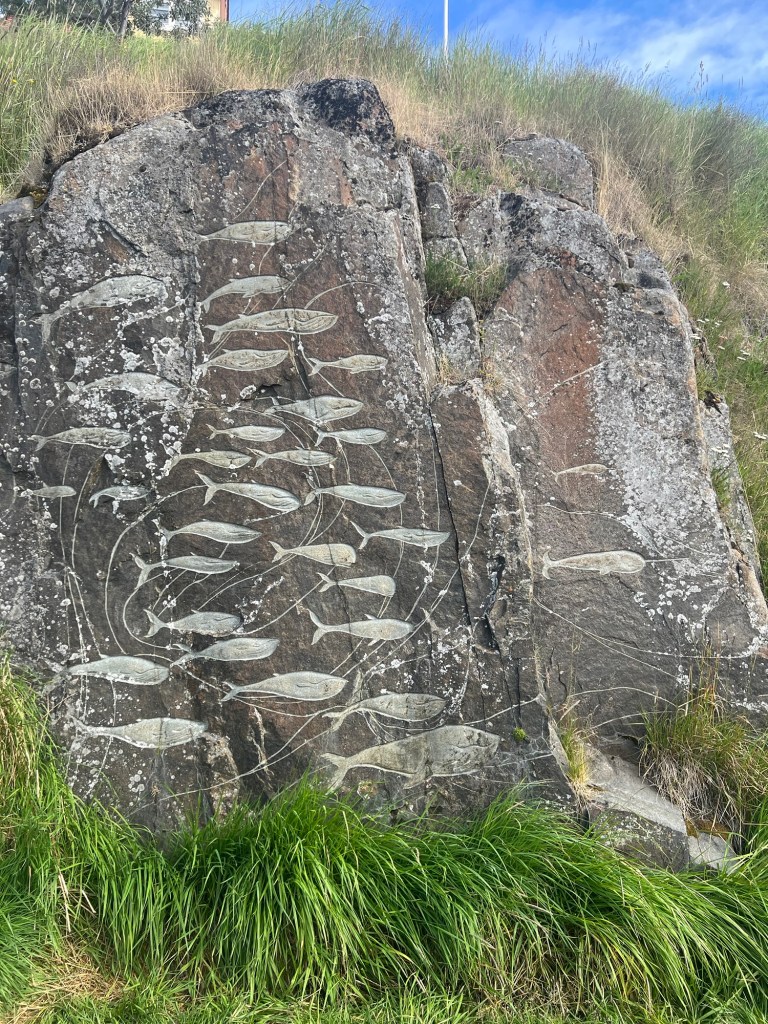
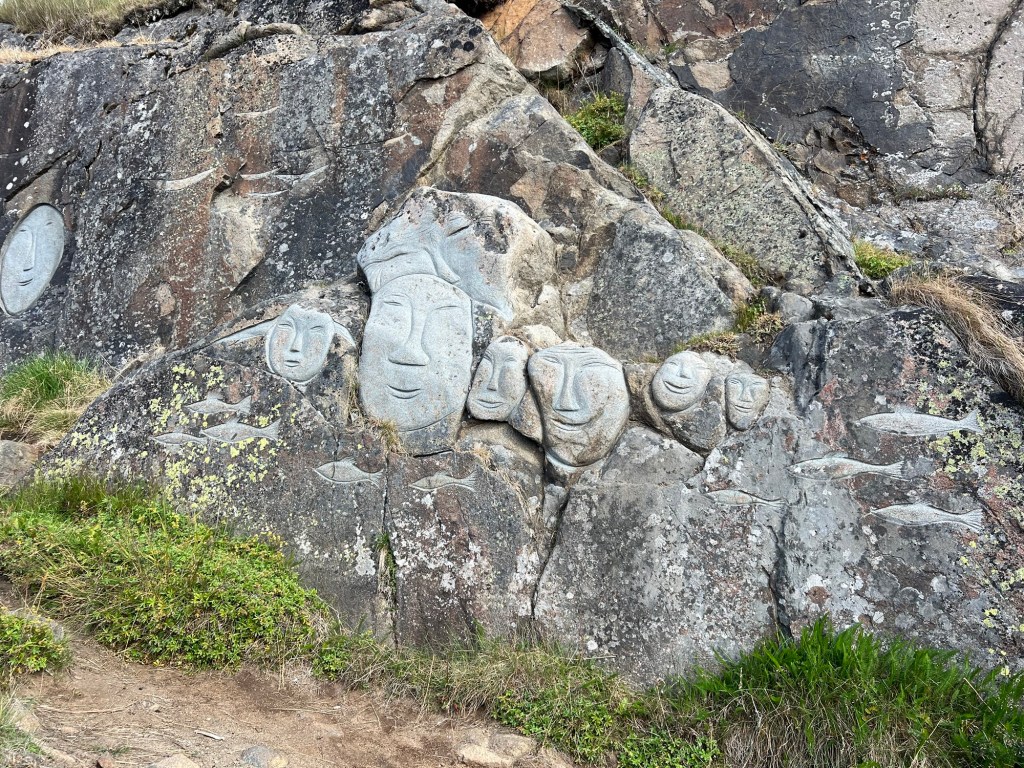
In the 1970s, local artists began carving and painting the granite boulders scattered throughout town, and many of those weathered works of art still remain, giving the whole place an open-air gallery feel.
Along the way we stopped at a small fish market stocked with fresh-caught salmon and seal, a glimpse into the town’s reliance on the sea. Our walking tour paused for a taste of local delicacies, and while we happily sampled the King Crab, I drew the line at the fresh seal and dried whale bits laid out beside it. The gnats were out in full force that day, and mosquito nets draped over our heads became the unofficial fashion statement of Qaqortoq — everyone, tourists and guides alike, wearing them like veils against the swarm.
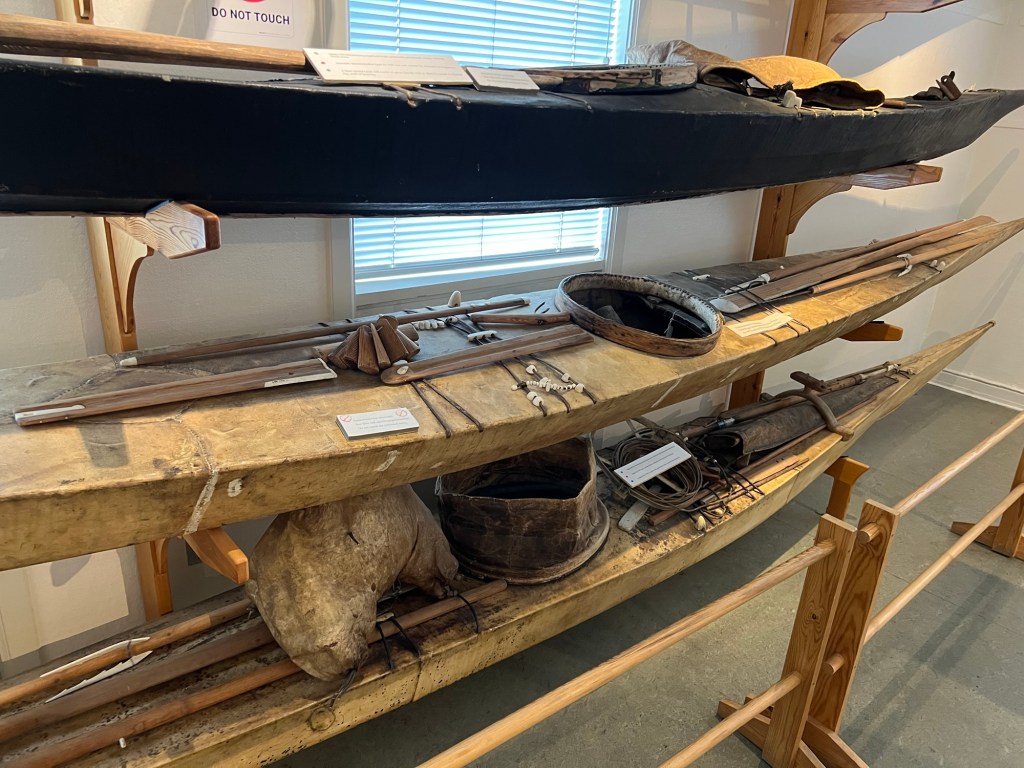
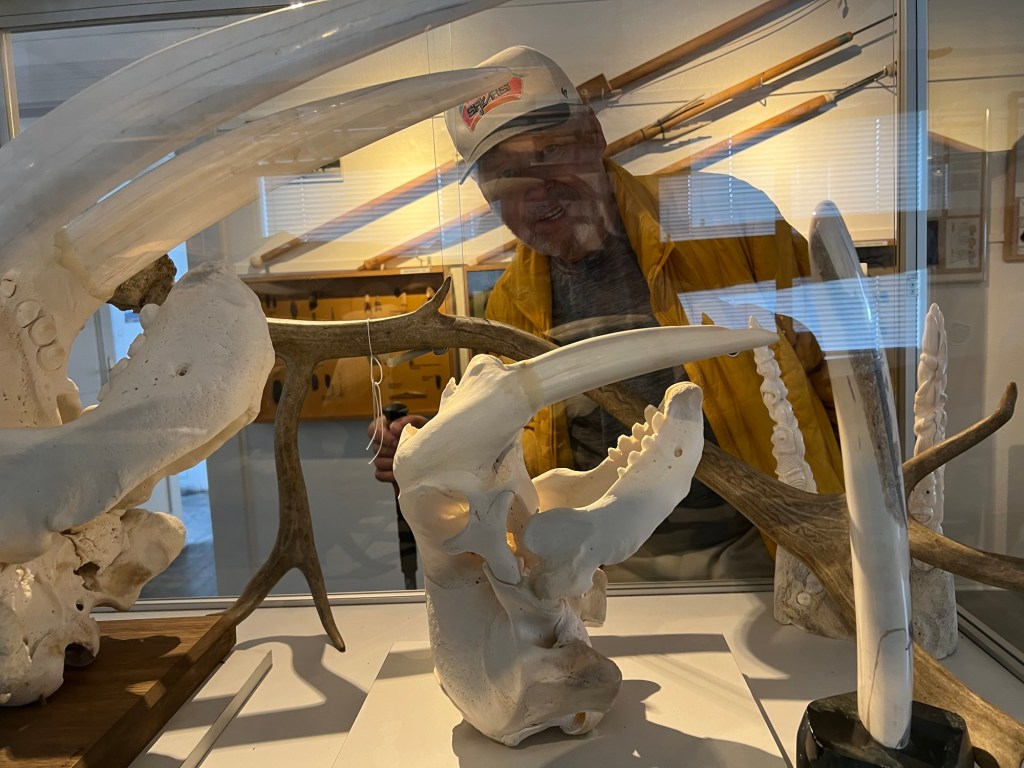
We ended the day at a local museum tracing early Greenlandic life, including a reconstructed sod house and animal-skin kayaks once used for hunting and fishing along these same waters. Standing inside that dim, earthen dwelling, it was difficult to imagine the early settlers enduring winters with only one hour of daylight.